Last updated: July 2, 2026
Exploring the Benefits of a Home Energy Monitor App for Efficiency
Home energy monitor apps provide users with insights into their electricity consumption, allowing them to track usage patterns and identify potential savings. By connecting to various monitoring devices, these apps can display real-time data, historical trends, and even cost estimates associated with energy use. When choosing a home energy monitor app, it’s essential to weigh the benefits of detailed energy tracking against the need for installation and setup. Some systems require professional help, while others can be easily set up by homeowners. Understanding how these systems integrate with your existing appliances and energy sources is crucial for effective use.
Disclosure: As an Amazon Associate I earn from qualifying purchases.
Prefer to browse a couple of relevant options before you decide? Check current options on Amazon.
Why This Matters
Understanding your energy consumption is increasingly important in today’s energy-conscious environment. Home energy monitor apps empower users to make informed decisions about their energy usage, which can lead to financial savings and a reduced environmental footprint. By monitoring real-time data, homeowners can adjust their habits and potentially lower their electric bills. Moreover, these apps can help identify malfunctioning appliances that may be consuming excessive energy. With clear data on energy usage, users can take proactive steps to address inefficiencies, contributing to a more sustainable lifestyle.
Key Benefits
What to Expect
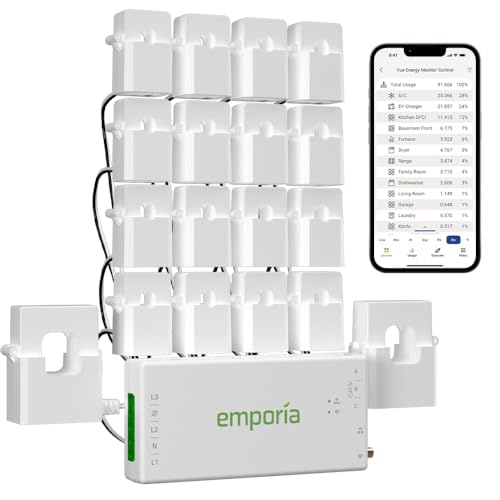
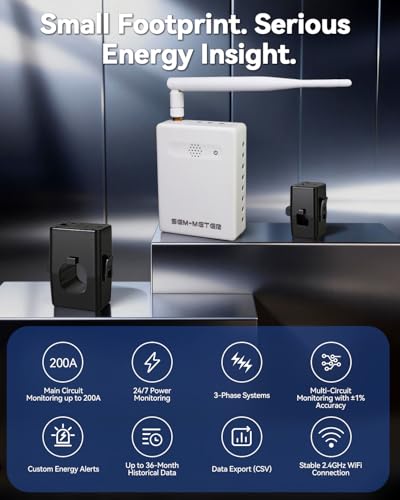
- ⚡ ENERGY MONITORING ANYTIME, ANYWHERE: Monitor your home's real power an…
- ⚡ VARIOUS ELECTRICAL APPLIANCE MONITORING: Comes with 16 50A sensors to …
- ⚡ EASY INSTALLATION: Installs in circuit panel of most homes with clamp-…
- INSTALLS IN CIRCUIT PANEL of most homes with clamp-on sensors. Supports …
Home energy monitor apps offer a range of benefits that can enhance energy efficiency and user experience.
- Real-Time Monitoring: Users can view their energy consumption in real-time, allowing for immediate adjustments to reduce waste.
- Historical Data: Access to historical usage data helps identify trends over time, making it easier to spot periods of high consumption and adjust habits accordingly.
- Appliance Tracking: Many systems allow users to monitor specific appliances, helping to pinpoint which devices are using the most energy.
- Cost Estimation: Some apps provide estimates of electricity costs based on usage, aiding in budgeting and financial planning.
- Remote Access: Mobile apps enable users to monitor and control energy consumption from anywhere, increasing convenience and flexibility.
Common Drawbacks & Limitations
While home energy monitor apps provide valuable insights, there are also some limitations to consider.
- Installation Complexity: Some systems may require professional installation, which can be a barrier for those looking for a DIY solution.
- Device Compatibility: Not all energy monitors work with every home setup, particularly older electrical systems or certain appliances.
- Data Privacy Concerns: Some users may be wary of cloud-based systems that involve sharing data with third-party servers, preferring local data management options instead.
- Initial Cost: While the potential savings can be significant, the upfront cost of purchasing a monitoring system can be a consideration for some homeowners.
What to Look For (Buyer’s Checklist)
When selecting a home energy monitor app and its associated devices, consider the following criteria:
- Compatibility: Ensure the monitor is compatible with your home’s electrical system and any smart home devices you may already have. This affects ease of integration and functionality.
- Installation Requirements: Check if the installation is straightforward or requires professional assistance. A simpler installation can save time and reduce costs.
- Real-Time Data Access: Look for systems that provide real-time monitoring capabilities. This feature allows for immediate adjustments to energy usage and can help prevent costly surprises on your electric bill.
- App Functionality: Evaluate the app's user interface and features. A user-friendly app enhances the overall experience and makes it easier to track and manage energy consumption.
- Data Privacy Options: Consider whether the device offers local data management without relying on cloud services. This can provide greater control over your personal information.
How to Choose for Your Situation

Choosing the right home energy monitor app depends on your specific needs and circumstances. For instance, if you live in a rental property or share your living space, you may benefit from a system that allows for easy tracking of individual circuits. In contrast, homeowners with solar panels might look for monitors that provide insights into solar energy usage and net metering. Consider your lifestyle, energy consumption habits, and whether you prefer a DIY installation or professional setup. Additionally, assess how much real-time data and historical insights you want, as these factors will influence your overall satisfaction with the system.
Care, Safety, and Longevity Tips
To ensure the longevity and safety of your home energy monitor, follow these tips:
- Regular Updates: Keep your app and device firmware updated to benefit from the latest features and security improvements.
- Device Maintenance: Periodically check the physical components of your monitoring system for any signs of wear or damage to maintain accuracy and performance.
- Follow Safety Guidelines: Always adhere to installation and operational guidelines provided by the manufacturer to prevent safety hazards.
Recommended Picks
Several products stand out for their features and functionality in the realm of home energy monitoring:
- Smart Home Energy Monitor with 16 50A Circuit Level Sensors offers comprehensive monitoring capabilities, ideal for shared living situations.
- Emporia Vue 3 Home Energy Monitor provides real-time electricity usage tracking and automation options, suitable for a variety of home setups.
- Refoss Smart Home Energy Monitor emphasizes local control and data privacy, appealing to users concerned about cloud dependency.
FAQ
- What is a home energy monitor app? A home energy monitor app is a software application that connects to energy monitoring devices, allowing users to track their electricity consumption and manage energy usage effectively.
- Can I install a home energy monitor myself? Many home energy monitors are designed for easy installation, but some may require professional help, especially if they involve complex electrical systems.
- How does a home energy monitor save me money? By providing insights into energy usage, a home energy monitor can help identify high-consumption appliances and encourage more efficient habits, leading to lower electric bills.
- Is my data safe with a home energy monitor? Data safety varies by device; some systems allow for local data management, while others rely on cloud services. Always check the privacy features before purchasing.
- Do I need a smart home setup to use a home energy monitor? While many home energy monitors integrate with smart home systems, there are options available for standard setups as well.
What Most Buyers Overlook
- The right choice depends on your daily constraints, not just the most advanced option.
- Ease of setup, maintenance, and fit often matter more than one extra feature.
Conclusion
Home energy monitor apps provide valuable tools for tracking and managing energy consumption. By understanding the benefits and limitations, as well as what to look for when selecting a system, users can make informed decisions that support energy efficiency and potentially reduce costs. With a variety of options available, it’s essential to choose a solution that aligns with your specific needs and lifestyle.
A Couple of Relevant Options