Last updated: July 2, 2026
Understanding Home Energy Monitoring Systems and Their Benefits
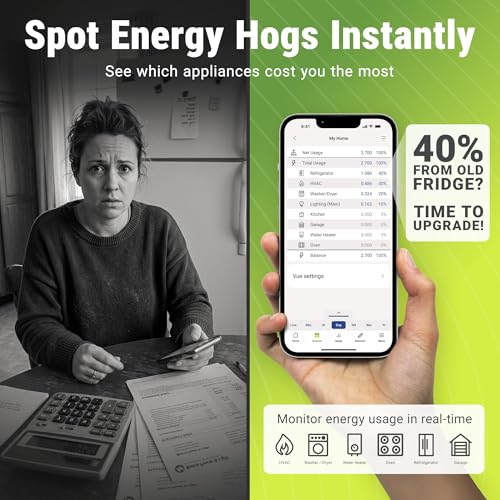
Home energy monitoring systems provide real-time insights into electricity usage, enabling homeowners to track their energy consumption more effectively. These systems can help identify energy-hogging appliances and inform users where they might save on their electricity bills. When considering a home energy monitoring system, it’s essential to weigh the benefits of real-time data against the potential complexities of installation and use. Different systems offer various features, such as solar monitoring and circuit-level tracking, which can impact your energy management strategy.
Disclosure: As an Amazon Associate I earn from qualifying purchases.
Prefer to browse a couple of relevant options before you decide? Check current options on Amazon.
Why This Matters
Understanding energy consumption is increasingly important in a world of rising energy costs and environmental concerns. Home energy monitoring systems allow homeowners to take control of their electricity usage, potentially leading to reduced bills and a smaller carbon footprint. By having access to real-time data, users can make informed decisions about their energy consumption habits. These systems also contribute to the broader goal of energy efficiency, allowing users to optimize their electricity use and support renewable energy initiatives such as solar power. By monitoring energy consumption, homeowners can adjust their behaviors and promote sustainability in their households.
Key Benefits
What to Expect
- SAFETY YOU CAN TRUST WITH UL CERTIFICATION: With Emporia Energy, your ho…
- 24/7 ENERGY MANAGEMENT AND MONITORING: Automate, manage and control your…
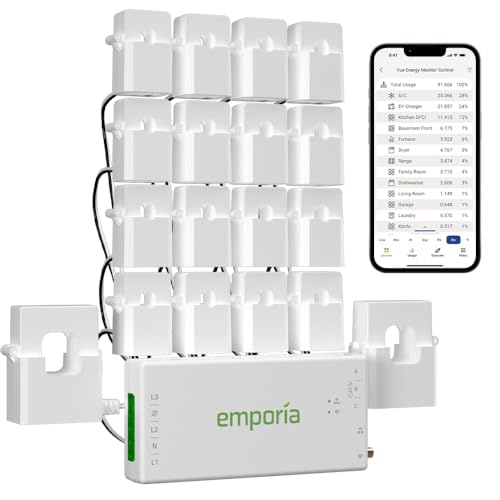
- INSTALLS IN CIRCUIT PANEL of most homes with clamp-on sensors. Supports …
- ⚡ EASY INSTALLATION: Installs in circuit panel of most homes with clamp-…
Home energy monitoring systems offer several notable advantages:
- Real-Time Data: Users can monitor their energy consumption in real time, allowing for immediate adjustments to usage patterns.
- Cost Savings: By identifying high-energy appliances, users may find opportunities to reduce their electricity bills through targeted changes.
- Solar Monitoring: Many systems support solar energy integration, helping users maximize their solar power usage and minimize reliance on the grid.
- Alerts and Notifications: Users can receive alerts for unusual energy spikes, which may indicate appliance malfunctions or other issues.
- Historical Data Analysis: Access to historical data helps users track their energy usage over time, making it easier to identify trends and adjust habits accordingly.
Common Drawbacks & Limitations
While home energy monitoring systems provide valuable insights, there are some limitations to consider:
- Installation Complexity: Some systems require installation in the electrical panel, which may necessitate professional assistance, particularly for those unfamiliar with electrical work.
- Internet Dependency: Many systems require a stable internet connection for real-time monitoring and notifications, which can be a drawback in areas with poor connectivity.
- Privacy Concerns: Cloud-based systems may raise concerns about data privacy, as they often require sharing usage data with third-party services.
- Initial Cost: While long-term savings are possible, the upfront investment in a monitoring system can be significant, which may deter some homeowners.
- Learning Curve: Users may need time to familiarize themselves with the system’s app or software, which could be a barrier for those less tech-savvy.
What to Look For (Buyer’s Checklist)
When selecting a home energy monitoring system, consider the following criteria:
- Installation Type: Choose between systems that are easy to install yourself versus those requiring professional installation. This can impact your initial cost and convenience.
- Real-Time Monitoring: Ensure the system provides real-time data access, which allows you to make immediate changes to your energy usage.
- App Functionality: Look for systems with user-friendly apps that offer clear visualizations of your energy consumption and allow for easy adjustments.
- Data Privacy: Consider systems that offer local monitoring or do not rely on cloud services to protect your personal data.
- Number of Circuits Monitored: Evaluate how many circuits the system can monitor. More sensors may provide better insights into specific appliances and energy usage patterns.
How to Choose for Your Situation

Selecting the right home energy monitoring system depends on your specific needs. If you are concerned about installation complexity, consider systems designed for easy DIY installation. For those with solar panels, opt for systems that support solar monitoring to maximize energy efficiency. If data privacy is a priority, look for models that offer local data access without cloud dependency. Additionally, consider your household’s energy consumption patterns, as systems with more circuit monitoring capabilities may better suit larger homes or those with multiple high-energy appliances.
Care, Safety, and Longevity Tips
To ensure the longevity and safety of your home energy monitoring system, follow these guidelines:
- Regular Updates: Keep the systems software updated to benefit from new features and security enhancements.
- Monitor Connections: Periodically check the connections and sensors to ensure they are secure and functioning correctly.
- Use as Intended: Follow the manufacturers guidelines for usage and installation to maintain safety and effectiveness.
- Consult Professionals: If you experience issues or have questions about installation, consider consulting a licensed electrician for assistance.
Recommended Picks
For those considering a home energy monitoring system, the following products are noteworthy:
- Emporia Vue 3 Home Energy Monitor: This system offers comprehensive real-time monitoring and is designed for easy installation in most homes.
- Smart Home Energy Monitor with 16 50A Circuit Level Sensors: This monitor is suitable for various home configurations and supports multiple circuit monitoring.
- Refoss Smart Home Energy Monitor: This model emphasizes data privacy and offers a local control option without cloud dependency.
- Meross Smart Energy Consumption Monitor: Known for its easy installation and detailed energy tracking capabilities, this monitor is ideal for energy-conscious users.
- SIEMENS Inhab Smart Home Energy Monitor: This system features advanced monitoring capabilities, including personalized notifications for energy savings.
FAQ
- What is a home energy monitoring system? A home energy monitoring system tracks and displays real-time electricity usage, allowing homeowners to manage their energy consumption effectively.
- How do I install a home energy monitoring system? Installation varies by model, but many systems can be installed in the electrical panel. Some may require professional assistance.
- Can I monitor my energy usage from my smartphone? Yes, most modern energy monitoring systems offer smartphone apps for real-time monitoring and notifications.
- Are there privacy concerns with these systems? Yes, some systems transmit data to the cloud, raising potential privacy issues. Consider systems that allow local data access for better privacy control.
- How can I benefit from using a home energy monitoring system? Users can identify high-energy appliances, receive alerts for unusual usage, and gain insights to reduce their electricity bills.
What Most Buyers Overlook
- The right choice depends on your daily constraints, not just the most advanced option.
- Ease of setup, maintenance, and fit often matter more than one extra feature.
Conclusion
Home energy monitoring systems can provide valuable insights into your energy usage and help promote more efficient consumption habits. By understanding the benefits, limitations, and key features to consider, homeowners can make informed decisions that align with their energy management goals. Whether you are looking to save on electricity bills or enhance your home’s energy efficiency, a suitable monitoring system can be a practical investment.
A Couple of Relevant Options