Last updated: July 5, 2026
For more on this topic, see our setup & energy tracking guide.
Understanding Home Electricity Monitors and Their Benefits
Home electricity monitors are devices designed to track and analyze energy consumption in residential settings. They provide real-time data on electricity usage, helping homeowners make informed decisions about their energy consumption and potentially reduce costs. When considering a home electricity monitor, it’s essential to weigh the benefits of detailed energy tracking against the initial setup and ongoing monitoring requirements. Different models offer varying features, such as real-time data access, integration with smart home systems, and solar energy monitoring capabilities, which can influence your overall experience.
Disclosure: As an Amazon Associate I earn from qualifying purchases.
Prefer to browse a couple of relevant options before you decide? Check current options on Amazon.
Why This Matters
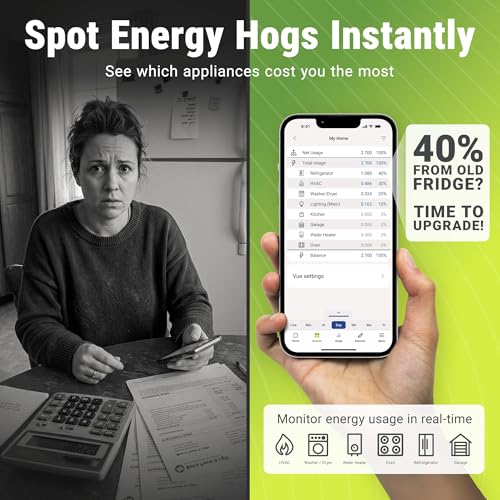
Understanding your home’s electricity usage is increasingly important in today’s energy-conscious environment. Home electricity monitors can provide insights into energy consumption patterns, allowing homeowners to identify inefficiencies and modify habits to save on energy bills. Furthermore, as renewable energy sources like solar become more prevalent, these monitors can help optimize energy use from these systems, contributing to environmental sustainability. In addition to financial savings, monitoring energy usage can lead to a more efficient household. By understanding which appliances consume the most energy, homeowners can schedule their use during off-peak times or consider upgrades to more energy-efficient models.
Key Benefits
What to Expect
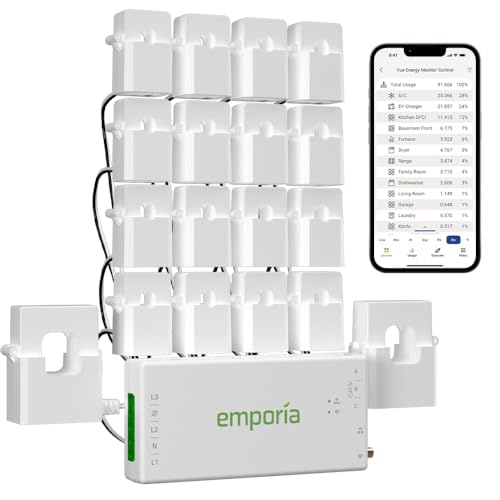
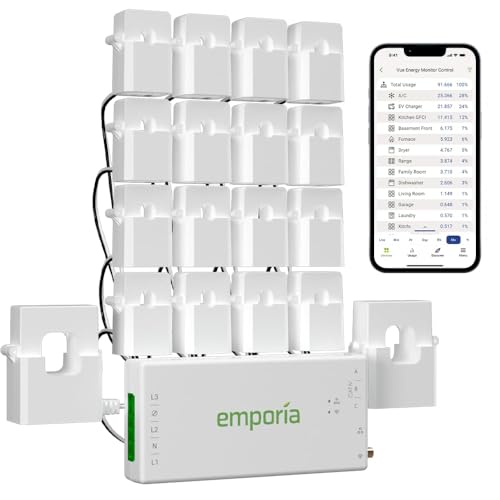
- SAFETY YOU CAN TRUST WITH UL CERTIFICATION: With Emporia Energy, your ho…
- 24/7 ENERGY MANAGEMENT AND MONITORING: Automate, manage and control your…
- INSTALLS IN CIRCUIT PANEL of most homes with clamp-on sensors. Supports …
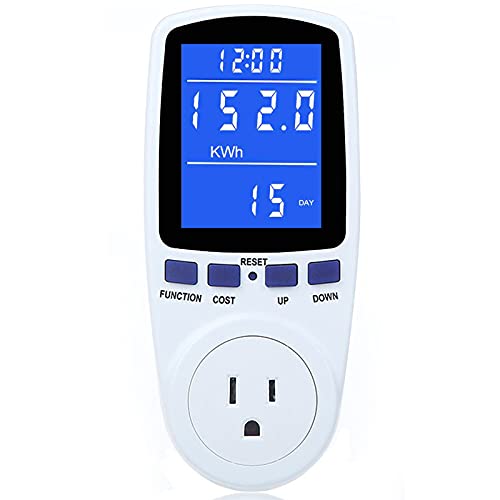
- Upgraded LCD display: With large screen size 2.36 inch x 1.85 inch, clea…
- Real-Time Monitoring: Many home electricity monitors provide real-time data, allowing users to see their energy consumption as it happens. This feature enables immediate adjustments to usage patterns for better energy management.
- Cost Tracking: These devices often include features to track energy costs, helping users understand their spending and identify potential savings. This can be particularly useful for budget-conscious households.
- Integration with Smart Home Systems: Many models are designed to integrate with existing smart home systems, allowing for automation and remote management of energy consumption. This can enhance convenience and further support energy-saving efforts.
- Solar and Net Metering Support: For homes equipped with solar panels, some monitors can track solar energy production and net metering, providing insights into how much energy is being used versus produced.
- Environmental Impact: By monitoring energy usage, homeowners can make more sustainable choices, contributing to reduced carbon footprints and promoting energy conservation.
Common Drawbacks & Limitations
While home electricity monitors offer numerous benefits, potential users should be aware of some common limitations.
- Installation Complexity: Some monitors may require installation in the circuit panel, which can be complicated and may necessitate professional assistance, particularly for those unfamiliar with electrical systems.
- Dependence on Wi-Fi: Many models require a stable Wi-Fi connection for real-time data access and app functionality. This can be a limitation for homes with weak or unreliable internet service.
- Data Privacy Concerns: Some users may have concerns about data being stored in the cloud. Choosing a monitor that allows local data access can alleviate these worries.
- Initial Cost: While these monitors can lead to savings over time, the initial investment can be a consideration for budget-conscious consumers.
What to Look For (Buyer’s Checklist)
- Real-Time Data Access: Look for monitors that offer real-time monitoring capabilities. This means you can track energy usage live, helping you make immediate adjustments to your consumption habits.
- App Compatibility: Ensure the monitor is compatible with mobile apps for easy access to data. An intuitive app can enhance user experience by providing insights and alerts.
- Installation Requirements: Check if the monitor requires professional installation or if it can be set up easily by the homeowner. Ease of installation can significantly affect your purchasing decision.
- Integration with Solar Systems: If you have solar panels, consider a monitor that supports solar tracking. This feature will allow you to see how much energy you're generating versus what you consume.
- Data Privacy Options: Look for monitors that offer local data access rather than cloud-based storage. This can help protect your data and ensure privacy.
How to Choose for Your Situation

When selecting a home electricity monitor, assess your specific needs and circumstances. If you have a solar energy system, prioritize models that support solar tracking. For tech-savvy users, monitors with app integration and smart home compatibility may enhance convenience. Consider the size of your household and energy consumption patterns, as some monitors provide more detailed tracking for multiple appliances or circuits. Additionally, consider your comfort level with installation. If you’re not confident in handling electrical components, look for user-friendly models or those that offer professional installation options.
Care, Safety, and Longevity Tips
To ensure the longevity and safety of your home electricity monitor, follow these tips:
- Regular Updates: Keep your monitors firmware and app updated to benefit from the latest features and security enhancements.
- Safe Installation: If installing the monitor yourself, follow the manufacturers instructions carefully. If unsure, consider hiring a professional to ensure safe and proper installation.
- Monitor Environment: Place the monitor in a location that is dry and away from extreme temperatures to protect its components and maintain accuracy.
Recommended Picks
The following home electricity monitors are noteworthy for their features and functionality:
- Emporia Vue 3 Home Energy Monitor: This model offers real-time monitoring and supports solar and net metering, making it suitable for energy-conscious homeowners.
- Smart Home Energy Monitor with 16 50A Circuit Level Sensors: Ideal for rental properties, this monitor tracks energy usage across multiple circuits and provides detailed insights.
- Refoss Smart Home Energy Monitor: With local control options and integration capabilities, this monitor ensures data privacy while offering real-time tracking.
FAQ
- How accurate are home electricity monitors? Most monitors provide accuracy within a range of 1-2%, which is sufficient for general household energy tracking.
- Can I use a home electricity monitor with solar panels? Yes, many models are designed to track both energy consumption and solar production, helping optimize energy usage.
- Do I need a Wi-Fi connection for these monitors? Most home electricity monitors require a Wi-Fi connection for real-time data access and app functionality.
- What if I have multiple circuits to monitor? Look for monitors that support multiple sensors or branches, allowing you to track various circuits simultaneously.
- Is professional installation necessary? It depends on the model; some monitors can be installed by homeowners, while others may require professional assistance for safety and accuracy.
What Most Buyers Overlook
- The right choice depends on your daily constraints, not just the most advanced option.
- Ease of setup, maintenance, and fit often matter more than one extra feature.
Conclusion
Home electricity monitors provide valuable insights into energy consumption, enabling homeowners to make informed decisions about their energy use. By understanding the features, benefits, and limitations of these devices, you can select a model that best suits your needs and lifestyle. With careful consideration and proper usage, a home electricity monitor can contribute to energy savings and a more efficient household.
A Couple of Relevant Options