Last updated: July 13, 2026
Understanding Whole Home Energy Monitors for Efficient Energy Use
Whole home energy monitors are devices designed to track and manage energy consumption across an entire household. These systems provide real-time insights into electricity usage, allowing homeowners to identify patterns, reduce waste, and potentially lower their energy bills. When considering a whole home energy monitor, it’s essential to weigh the benefits of energy management against the initial setup and ongoing monitoring requirements. While these devices can lead to significant savings, they may require a certain level of technical knowledge for installation and configuration.
Disclosure: As an Amazon Associate I earn from qualifying purchases.
Prefer to browse a couple of relevant options before you decide? Check current options on Amazon.
Why This Matters
Understanding energy consumption is crucial for both financial and environmental reasons. Whole home energy monitors enable users to gain insights into their energy usage, helping them make informed decisions about consumption patterns. This awareness can lead to more efficient energy use, ultimately contributing to cost savings and a reduced carbon footprint. Moreover, with the growing integration of smart home technologies, monitoring energy consumption can be part of a broader strategy to automate and optimize home systems. This can include scheduling appliances to run during off-peak hours or managing energy use from renewable sources like solar panels.
Key Benefits
What to Expect
- SAFETY YOU CAN TRUST WITH UL CERTIFICATION: With Emporia Energy, your ho…
- 24/7 ENERGY MANAGEMENT AND MONITORING: Automate, manage and control your…
- INSTALLS IN CIRCUIT PANEL of most homes with clamp-on sensors. Supports …
- ⚡ EASY INSTALLATION: Installs in circuit panel of most homes with clamp-…
Whole home energy monitors offer several key advantages.
- Real-Time Monitoring: Users can see their energy consumption as it happens, allowing for immediate adjustments to reduce waste.
- Detailed Analytics: Many monitors provide insights into energy use by specific appliances or circuits, making it easier to identify energy hogs.
- Remote Access: Most systems can be monitored through mobile apps, providing users the ability to track energy usage from anywhere.
- Energy Savings: By understanding usage patterns, homeowners can adjust their habits to lower their electric bills.
- Integration with Smart Home Devices: Many energy monitors can be connected to smart home systems, enabling automated energy management.
Common Drawbacks & Limitations
While whole home energy monitors provide valuable insights, there are limitations to consider.
- Installation Complexity: Some models may require professional installation, especially if they involve circuit panel modifications.
- Initial Costs: The upfront investment can be significant, depending on the features and capabilities of the monitor.
- Dependence on Wi-Fi: Many monitors require a stable internet connection for full functionality, which could be problematic in areas with unreliable service.
- Data Privacy Concerns: Cloud-based systems may raise privacy issues for users concerned about data security.
What to Look For (Buyer’s Checklist)
When selecting a whole home energy monitor, consider the following criteria:
- Installation Method: Determine if the monitor can be easily installed by yourself or if it requires professional assistance. Understanding installation requirements can help avoid unexpected costs.
- Number of Sensors: Look for the number of sensors included and their capacity to monitor individual circuits. More sensors allow for granular tracking, which can provide better insights into energy use.
- Real-Time Data Access: Ensure the monitor provides real-time data and is compatible with mobile apps. This feature is important for users who want to track their energy consumption on the go.
- Integration with Smart Home Systems: Check if the monitor can work with existing smart home devices. This can enhance automation and energy management capabilities.
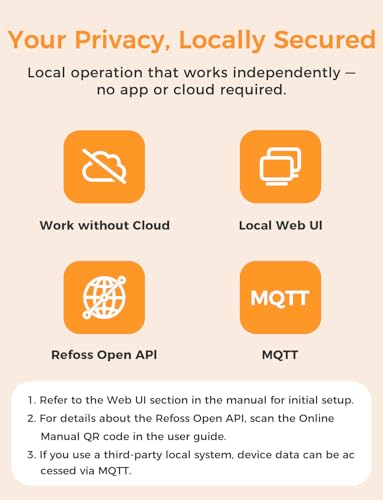
- Data Privacy Options: Evaluate whether the monitor offers local data storage options or requires cloud services. Privacy-conscious users may prefer systems that keep data within their home network.
How to Choose for Your Situation

Selecting the right whole home energy monitor depends on your specific needs and living situation. If you live in a larger home with multiple circuits, opt for a model that supports more sensors and detailed analytics. For those interested in solar energy, choose a monitor that effectively tracks solar production and consumption. Additionally, consider your comfort level with technology. If you prefer a straightforward setup, look for monitors that are easy to install and operate without extensive technical knowledge.
Care, Safety, and Longevity Tips
To ensure the longevity and effectiveness of your energy monitor, follow these care guidelines:
- Regular Updates: Keep your device firmware and app updated to ensure optimal performance and security.
- Safe Installation: If installing yourself, follow the manufacturers instructions carefully to avoid electrical hazards.
- Monitor Performance: Regularly check the device for any discrepancies in data reporting, which may indicate installation or operational issues.
- Data Backup: If using a cloud-based system, ensure you regularly back up your data to prevent loss.
Recommended Picks
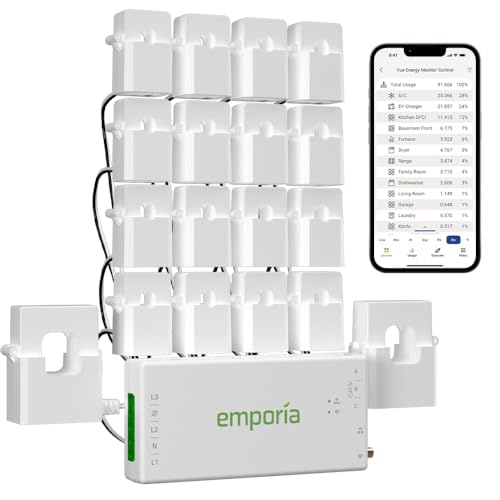
For those considering a whole home energy monitor, the following products may be suitable: – Emporia Vue 3 Home Energy Monitor: Offers comprehensive energy monitoring with real-time data and 16 sensors for critical load tracking.
- Smart Home Energy Monitor with 16 50A Circuit Level Sensors: Ideal for those needing detailed appliance monitoring and remote access.
- Refoss Smart Home Energy Monitor: Provides local control without cloud dependence, ensuring data privacy and easy integration with smart systems.
- Meross Smart Energy Consumption Monitor: Features 18 circuit monitoring and integrates well with smart home assistants for optimized energy use.
- Emporia Energy Monitor with 16 Sensors + 4 Smart Plugs Super Bundle: This bundle enhances energy management capabilities with smart plugs for individual device control.
FAQ
1. How difficult is it to install a whole home energy monitor?
Installation difficulty varies by model. Some monitors can be easily installed by homeowners, while others may require professional assistance, especially if they involve modifications to the electrical panel.
2. Can I monitor energy usage without an internet connection?
Some monitors offer local monitoring options that do not require internet access. However, many devices rely on Wi-Fi for real-time data access and remote monitoring.
3. Will a whole home energy monitor work with solar panels?
Many whole home energy monitors are designed to track solar energy production and usage, allowing homeowners to optimize their solar consumption.
4. How much data can I expect to store with a home energy monitor?
Data storage capacity varies by model. Some monitors can store daily data for several years, while others may limit storage based on usage frequency and settings.
5. What if I have technical issues with my energy monitor?
Most manufacturers provide customer support and warranty services. It’s advisable to check the warranty terms and support options when purchasing a monitor.
What Most Buyers Overlook
- The right choice depends on your daily constraints, not just the most advanced option.
- Ease of setup, maintenance, and fit often matter more than one extra feature.
Conclusion
Whole home energy monitors can play a significant role in managing energy consumption and enhancing efficiency. By understanding the benefits, limitations, and features to consider, homeowners can make informed decisions that align with their energy management goals. Whether for saving costs or optimizing renewable energy use, these devices offer valuable insights into household energy consumption.
A Couple of Relevant Options