Last updated: August 28, 2026
Explore the plug-in meters & smart plugs guide for the full picture.
Understanding Appliance Energy Monitors and Their Benefits
Appliance energy monitors are devices designed to track the energy consumption of electrical appliances, providing users with insights into their electricity usage. By monitoring parameters like power consumption and estimated costs, these devices can help individuals and households manage their energy use more effectively. When considering an appliance energy monitor, it’s important to weigh the benefits of understanding energy consumption against the need for initial setup and potential ongoing usage adjustments. This guide will explore the key aspects of these devices, helping you determine if they fit your energy management needs.
Disclosure: As an Amazon Associate I earn from qualifying purchases.
Prefer to browse a couple of relevant options before you decide? Check current options on Amazon.
Why This Matters
Understanding how much energy your appliances consume can lead to more informed decisions about usage patterns, potentially lowering electricity bills. Energy monitors can highlight which devices use the most power, allowing for adjustments in usage habits. This awareness contributes to energy conservation efforts and can support a more sustainable lifestyle.
Key Benefits
What to Expect
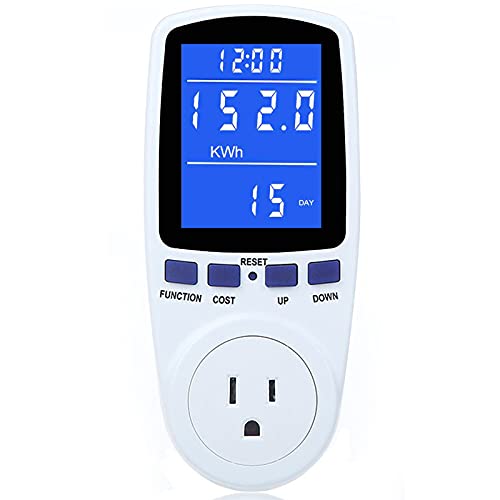
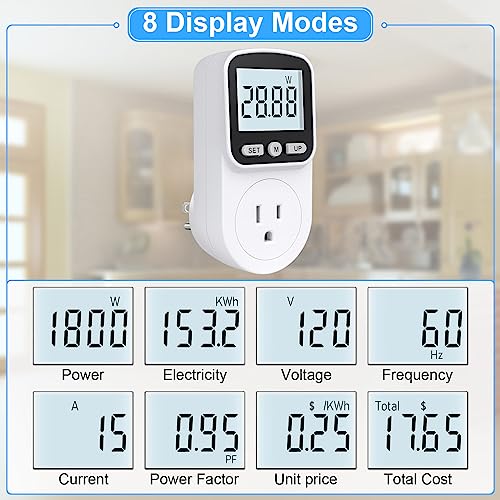
- Various Monitoring Parameters: The power meter plug can monitor the powe…
- Adjustable Backlight Time: Our upgraded watt meter has 5 options of back…
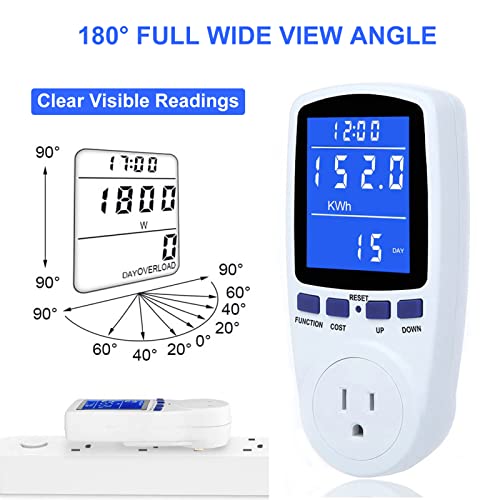
- Upgraded LCD display: With large screen size 2.36 inch x 1.85 inch, clea…
Energy monitors offer several advantages for users.
- Real-time Monitoring: Many energy monitors provide real-time data on energy consumption, allowing users to see how much power their appliances are using at any given moment. This immediate feedback can encourage more conscious energy use.
- Cost Estimation: By calculating the estimated cost of energy usage, these devices help users understand how their habits affect their electricity bills. This can motivate users to alter their usage patterns to save on costs.
- Overload Protection: Some models have built-in overload protection features that alert users when power consumption exceeds safe levels, thus preventing potential damage to appliances and reducing safety risks.
- Data Memory Function: Many monitors retain previous usage data, enabling users to track changes over time and make more informed decisions about energy consumption.
Common Drawbacks & Limitations
While energy monitors can be beneficial, there are some limitations to consider.
- Initial Setup: Setting up an energy monitor can require some technical knowledge, especially for those unfamiliar with electrical devices. Users may need to follow specific instructions to ensure proper operation.
- Device Compatibility: Not all energy monitors are compatible with every appliance. Users should verify compatibility to avoid purchasing a device that cannot be used with their existing appliances.
- Learning Curve: Understanding how to interpret the data provided by the monitor may take time. Users may need to familiarize themselves with the terminology and data presentation.
What to Look For (Buyer’s Checklist)
When selecting an appliance energy monitor, consider the following criteria:
- Monitoring Parameters: Check what parameters the monitor tracks, such as watts, kilowatt-hours, volts, and amps. Understanding these metrics can help you gauge your appliances' performance and energy consumption accurately.
- Display Features: Look for models with clear displays and backlighting. A readable display makes it easier to view data, especially in low-light conditions.
- Overload Protection: Ensure the monitor includes overload protection features. This enhances safety by alerting you when power consumption exceeds the device's limits.
- Data Memory Function: A monitor that retains previous data can provide insights into energy trends over time, making it easier to track changes and improvements.
- Smart Features: Consider whether the monitor has smart capabilities, such as app integration or voice control, which can enhance usability and convenience.
How to Choose for Your Situation

Selecting the right appliance energy monitor depends on your specific needs. If you are primarily interested in tracking energy usage for cost savings, a model with detailed cost estimation features may be beneficial. For households with multiple high-energy devices, overload protection is crucial. Additionally, consider whether smart features align with your lifestyle, as these can offer added convenience and control.
Care, Safety, and Longevity Tips
To ensure the longevity and safety of your energy monitor, follow these guidelines:
- Regular Inspection: Periodically check the device for any signs of wear or damage, especially the cords and plugs, to ensure safe operation.
- Keep Dry: Avoid exposing the monitor to moisture, as this can damage electronic components and affect performance.
- Follow Manufacturer Instructions: Adhere to the manufacturers guidelines for setup and use to maintain the monitors accuracy and safety features.
Recommended Picks
Consider the following energy monitors based on their features:
- Upgraded Watt Power Meter Plug: This model offers various monitoring parameters and an adjustable backlight, making it suitable for tracking multiple appliances.
- Tapo Smart Plug Wi-Fi, Energy Monitoring: This device provides insightful energy tracking and programmable scheduling for efficient energy management.
- 2 Pack Upgraded Watt Meter: This option includes overload protection and multiple display modes, ideal for those looking to monitor several devices at once.
FAQ
- What is an appliance energy monitor used for? An appliance energy monitor tracks the energy consumption of electrical devices, helping users understand their usage patterns and potential costs.
- Can I use an energy monitor with any appliance? Most energy monitors are compatible with standard household appliances, but it’s essential to check compatibility with specific devices.
- Do energy monitors require Wi-Fi? Some energy monitors have smart features that require Wi-Fi, while others function independently without an internet connection.
- How can I interpret the data from my energy monitor? Most energy monitors provide user-friendly displays, but learning the meaning of terms like watts and kilowatt-hours is essential for accurate interpretation.
- Are energy monitors safe to use? Yes, when used according to the manufacturer’s instructions, energy monitors are safe and often include safety features like overload protection.
What Most Buyers Overlook
- The right choice depends on your daily constraints, not just the most advanced option.
- Ease of setup, maintenance, and fit often matter more than one extra feature.
Conclusion
Appliance energy monitors can provide valuable insights into energy consumption, helping users make informed decisions about their electricity usage. By understanding the key features and potential limitations, you can select a monitor that best fits your needs and contributes to more efficient energy management in your home.
A Couple of Relevant Options