Last updated: September 6, 2026
Explore the smart home & solar monitoring guide for the full picture.
Understanding Home Assistant Energy Monitors for Smart Homes
Home assistant energy monitors are devices designed to track and manage energy consumption in residential settings. They provide users with real-time insights into their energy usage, allowing for more efficient energy management and cost savings. When considering a home assistant energy monitor, it is essential to weigh the benefits of enhanced energy tracking against the installation complexity and potential privacy concerns associated with cloud-based monitoring systems. Understanding these trade-offs can help you make an informed decision that aligns with your energy management goals.
Disclosure: As an Amazon Associate I earn from qualifying purchases.
Prefer to browse a couple of relevant options before you decide? Check current options on Amazon.
Why This Matters
Energy monitoring has become increasingly important as households seek to reduce energy costs and promote sustainability. By using a home assistant energy monitor, homeowners can gain visibility into their energy consumption patterns, identify energy hogs, and make informed decisions about energy usage. This not only leads to potential savings on utility bills but also supports broader environmental goals by promoting energy conservation. Moreover, many energy monitors integrate with home automation systems, enhancing their functionality. This allows users to automate energy management tasks, such as scheduling high-energy appliances to run during off-peak hours, thus optimizing energy use and reducing costs.
Key Benefits
What to Expect
- ⚡ ENERGY MONITORING ANYTIME, ANYWHERE: Monitor your home's real power an…
- ⚡ VARIOUS ELECTRICAL APPLIANCE MONITORING: Comes with 16 50A sensors to …
- ⚡ EASY INSTALLATION: Installs in circuit panel of most homes with clamp-…
- SAFE & RELIABLE: Meross smart energy consumption monitor is ETL‑certifie…
- Real-Time Monitoring: Many energy monitors provide real-time data on energy consumption, allowing users to make immediate adjustments to their usage habits.
- Cost Tracking: By tracking energy costs, users can identify which appliances contribute most to their bills and adjust their usage accordingly.
- Enhanced Control: Integration with home assistant platforms enables users to automate energy management, improving overall efficiency and convenience.
- Solar Energy Optimization: Some monitors can track solar energy production and usage, helping homeowners maximize their renewable energy benefits.
- Data Privacy: Options for local data storage allow users to maintain control over their information without relying on cloud services.
Common Drawbacks & Limitations
While home assistant energy monitors offer several advantages, they also come with some limitations. Installation may require technical skills, particularly if the device needs to be connected to a circuit panel. Additionally, some models may depend on internet connectivity for full functionality, which can be a concern for users prioritizing privacy. Another limitation is that not all monitors provide comprehensive support for all electrical systems, such as three-phase configurations, which may restrict their usability in certain homes. Furthermore, the accuracy of readings can vary between models, which may affect the reliability of the data provided.
What to Look For (Buyer’s Checklist)
- Installation Type: Consider whether the monitor requires professional installation or if it features a user-friendly design that allows for DIY installation. This matters because ease of setup can significantly impact your experience.
- Real-Time Data Access: Check if the monitor provides real-time updates through an app or web interface. Access to real-time data can help you make quick decisions about energy use.
- Integration with Home Assistant: Ensure compatibility with home automation systems, as this can enhance functionality and allow for smarter energy management.
- Data Privacy Options: Look for monitors that offer local data storage to maintain privacy, especially if you are concerned about cloud service reliance.
- Number of Circuits Monitored: Determine how many circuits the monitor can track. More circuits mean better insights into specific appliance usage, which can lead to more effective energy management.
How to Choose for Your Situation
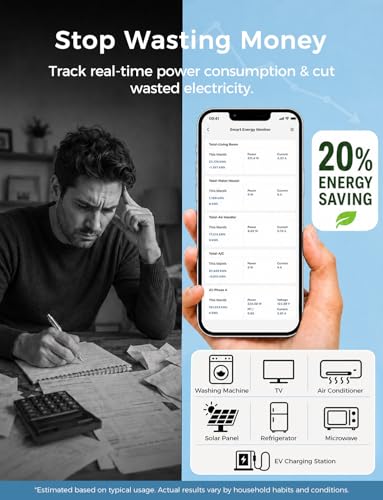
Choosing the right home assistant energy monitor depends on your specific needs and home setup. If you have a larger home with multiple appliances, opt for a monitor that supports multiple circuits for detailed tracking. For those with solar energy systems, prioritize a model that can optimize solar usage. Consider your comfort level with technology; if you prefer a straightforward setup, look for models that do not require extensive technical knowledge. Additionally, think about your privacy preferences and whether you want to store data locally or are comfortable with cloud-based options.
Care, Safety, and Longevity Tips
To ensure the longevity and safety of your home assistant energy monitor, follow these tips:
- Regularly check the device for firmware updates to ensure optimal performance and security.
- Keep the installation area free from dust and moisture to maintain the integrity of the sensors and connections.
- Consult the user manual for specific guidelines on calibration and maintenance to ensure accurate readings over time.
Recommended Picks
The following products are notable options for home assistant energy monitoring:
- Smart Home Energy Monitor with 16 50A Circuit Level Sensors: This monitor offers extensive circuit monitoring and real-time power usage tracking, making it suitable for rental homes and shared spaces.
- Meross Smart Home Energy Monitor: Known for its reliability and ease of installation, this model provides detailed energy tracking and integrates seamlessly with home automation systems.
- Refoss Smart Home Energy Monitor with Open API: This monitor emphasizes local control and data privacy, making it a strong choice for users concerned about cloud reliance.
- Emporia Vue 3 Home Energy Monitor: With UL certification and a user-friendly app, this monitor is designed for safe and effective energy management.
FAQ
How accurate are home assistant energy monitors?
Most home assistant energy monitors provide accuracy within ±1% to ±2%. This level of precision is generally sufficient for tracking energy usage and managing costs effectively.
Can I monitor multiple circuits with one device?
Yes, many energy monitors are designed to track multiple circuits simultaneously, allowing for detailed insights into specific appliance usage and overall energy consumption.
Do I need a professional to install an energy monitor?
It depends on the model. Some energy monitors feature user-friendly designs that allow for DIY installation, while others may require professional assistance, especially if they connect to a circuit panel.
Is my data safe with a home assistant energy monitor?
Data privacy varies by product. Some monitors offer local data storage options, ensuring that your information remains within your home network and not on external servers.
Can I integrate my energy monitor with solar power systems?
Many modern energy monitors are compatible with solar power systems, allowing for tracking of solar energy production and optimizing its usage in your home.
What Most Buyers Overlook
- The right choice depends on your daily constraints, not just the most advanced option.
- Ease of setup, maintenance, and fit often matter more than one extra feature.
Conclusion
Home assistant energy monitors provide valuable insights into energy consumption, which can lead to significant savings and enhanced energy management. By understanding the key benefits, common drawbacks, and what to look for when choosing a monitor, you can select a device that best fits your needs and lifestyle. With the right energy monitor, you can take control of your energy usage and contribute to more sustainable living practices.
A Couple of Relevant Options