Last updated: September 15, 2026
Explore the smart home & solar monitoring guide for the full picture.
Understanding Wifi Energy Monitors and Their Benefits for Homes
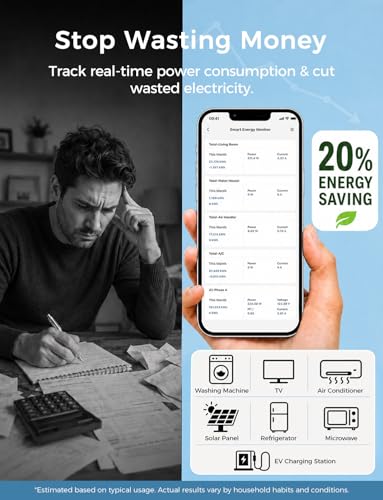
Wifi energy monitors are devices that enable homeowners to track their electricity usage in real-time. These monitors can provide insights into energy consumption patterns, helping users make informed decisions about their energy use and potentially save on electricity bills. When considering a wifi energy monitor, it’s important to weigh the benefits of real-time monitoring against the initial setup and integration with existing smart home systems. The decision may depend on your specific energy management needs and the complexity of your home’s electrical setup.
Disclosure: As an Amazon Associate I earn from qualifying purchases.
Prefer to browse a couple of relevant options before you decide? Check current options on Amazon.
Why This Matters
Understanding your energy consumption is vital for managing household expenses and promoting energy efficiency. Wifi energy monitors offer a way to visualize power usage, identify high-consumption devices, and optimize energy use. This not only aids in reducing bills but also contributes to environmental sustainability by promoting mindful usage. Real-time monitoring capabilities allow users to adjust their habits and schedules based on actual consumption data. This proactive approach can lead to significant savings and a more efficient home.
Key Benefits
What to Expect
- Real-Time Energy Monitoring: Smart plugs track the real-time power, curr…
- Convenient Voice Control: Free hands by using simple voice commands with…
- Stable WiFi & Bluetooth Connectivity: Connecting with Govee Home App via…
- ⚡ EASY INSTALLATION: Installs in circuit panel of most homes with clamp-…
- Real-Time Monitoring: Many wifi energy monitors provide instant feedback on electricity usage, allowing you to track consumption patterns as they happen.
- Remote Access: With apps available for smartphones, you can monitor and control devices from anywhere, making it convenient to manage energy use even when you’re not home.
- Voice Control Integration: Compatibility with voice assistants like Alexa and Google Assistant allows for hands-free operation, enhancing user convenience.
- Detailed Usage Reports: Insights into daily, weekly, and monthly energy consumption can help you identify high-energy appliances and optimize usage.
- Scheduling Features: Many models support scheduling, enabling you to automate when devices turn on or off, which can help reduce energy consumption during peak hours.
Common Drawbacks & Limitations
- WiFi Dependency: Wifi energy monitors require a stable internet connection. If your WiFi is unreliable, it may affect the performance of the device.
- Setup Complexity: Some models may require a more complex installation process, especially those needing integration with circuit panels or multiple sensors.
- Limited Compatibility: Not all devices may work seamlessly with every smart home system, which can limit functionality for some users.
- Privacy Concerns: Depending on the product, there may be concerns regarding data privacy and how energy usage information is stored and used.
What to Look For (Buyer’s Checklist)
- Real-Time Monitoring: Look for a monitor that provides live updates on energy usage. This feature allows you to make immediate adjustments to save energy.
- App Compatibility: Ensure the monitor can connect to a user-friendly app for easy tracking and control. This affects how accessible and actionable the data is.
- Voice Assistant Integration: Check if the monitor works with popular voice assistants. This can enhance convenience by allowing hands-free operation.
- Scheduling Options: Evaluate if the monitor supports scheduling. This can help automate energy savings, particularly for high-energy appliances.
- Safety Certifications: Make sure the device has necessary safety certifications, such as FCC or ETL. This ensures the product meets safety standards for reliable operation.
How to Choose for Your Situation
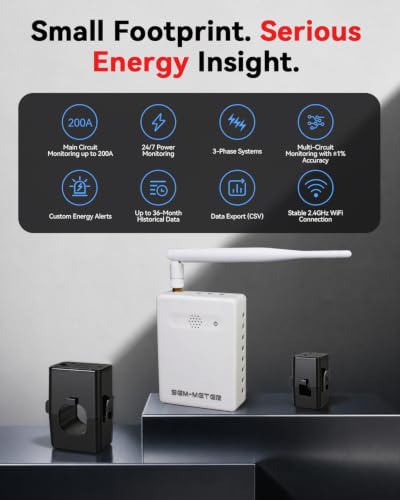
When selecting a wifi energy monitor, consider the layout of your home and the types of appliances you wish to monitor. For larger homes or those with multiple high-power devices, a model with multiple sensors or channels may be more effective. Additionally, think about your existing smart home ecosystem; compatibility with current devices can enhance functionality and ease of use. If you often travel or are away from home, prioritize models with robust remote access features. This allows you to monitor and control energy usage from anywhere, ensuring you can manage your energy consumption effectively.
Care, Safety, and Longevity Tips
To ensure optimal performance and longevity of your wifi energy monitor, keep the following tips in mind:
- Regularly check for firmware updates via the app to ensure the device operates with the latest features and security measures.
- Keep the device clean and free from dust, as this can affect its performance and connectivity.
- Monitor the device’s placement; ensure it is within range of your WiFi router for stable connectivity.
- Follow the manufacturer’s guidelines for installation and usage to prevent damage and ensure safety.
Recommended Picks
The Govee Smart Plug with Energy Monitoring offers real-time tracking and scheduling capabilities, making it suitable for everyday appliances. The Smart Home Energy Monitor with 16 50A Circuit Level Sensors provides extensive monitoring options, ideal for larger homes with multiple high-power devices. The Tapo Smart Plug series, including the P115 and P110M, features insightful energy tracking and integration with major smart home platforms, providing flexibility in managing energy consumption.
FAQ
- What is a wifi energy monitor? A wifi energy monitor is a device that tracks and reports electricity usage in real time, allowing users to optimize their energy consumption.
- How does it connect to my home network? Most wifi energy monitors connect to your home WiFi network via a smartphone app, enabling remote access and control.
- Can I use these monitors with any appliance? Generally, wifi energy monitors can be used with most standard household appliances, but it’s important to check the product specifications for compatibility.
- Do I need a smart home system to use a wifi energy monitor? While not mandatory, integration with a smart home system can enhance functionality and ease of use.
- Are wifi energy monitors safe to use? Yes, as long as they are from reputable manufacturers and have the necessary safety certifications, they are designed for safe operation.
What Most Buyers Overlook
- The right choice depends on your daily constraints, not just the most advanced option.
- Ease of setup, maintenance, and fit often matter more than one extra feature.
Conclusion
Wifi energy monitors provide valuable insights into household energy consumption, enabling users to make informed decisions that can lead to energy savings. By understanding the features and considerations involved in selecting a monitor, homeowners can choose a device that best suits their needs and promotes efficient energy management.
A Couple of Relevant Options