Home Energy Monitor Guide
Master Your Home Energy Tracking with Ease
This guide helps you set up energy monitoring systems effectively. Start saving on your power bills with straightforward steps and insights.
- Updated for 2026
- Independent, hands-on research
- Reader-first reviews
- Transparent affiliate disclosure
Last updated:
Understanding how to set up and track your home energy usage is essential for saving money and optimizing efficiency. This guide provides practical advice and tips to help you navigate the setup process and avoid common pitfalls.
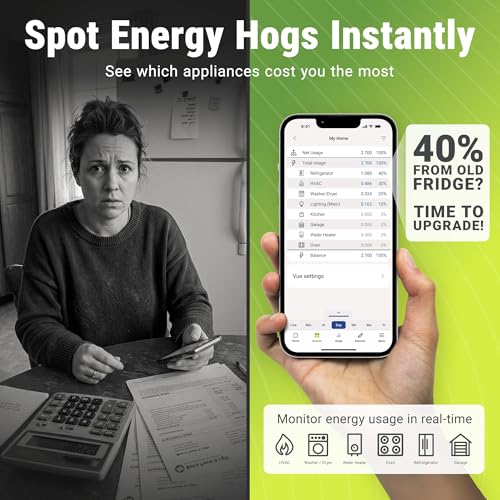
With the right approach, you can easily monitor your electricity usage and identify which appliances consume the most power.
What you’ll get here
- Setup steps for energy monitors
- Tips for tracking usage
- Common mistakes to avoid
How to start (simple plan)
This section focuses on setup energy tracking.
Begin by selecting a suitable home energy monitor that fits your needs. Look for models that provide clear data on energy usage and have user-friendly interfaces. Once you have your monitor, follow the manufacturer’s instructions for installation, usually involving connecting it to your Wi-Fi and downloading the companion app.
Common mistakes include overlooking the placement of the monitor and not regularly checking the data it provides. Ensure your monitor is installed in a central location for accurate readings, and make it a habit to review your energy usage weekly to identify trends and areas for improvement.
⚡ Quick Picks
Three strong options to start with. Pick one that matches your goal, then jump to the guides below.
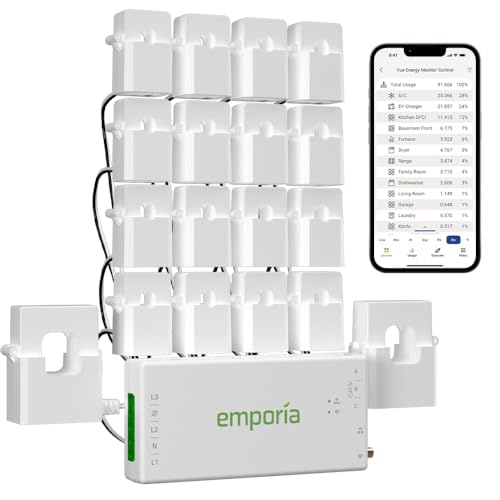
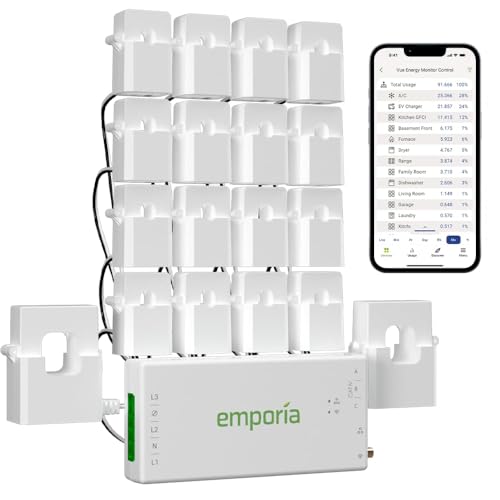
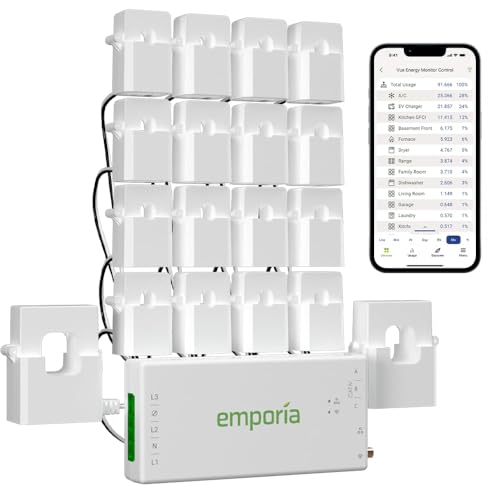
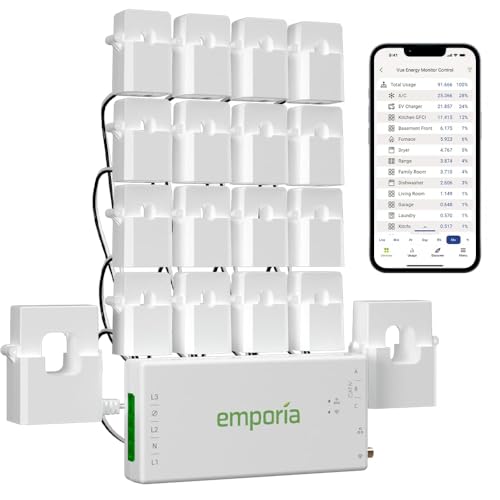
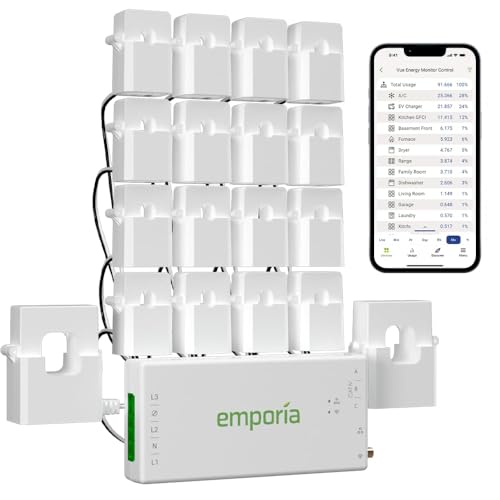
Emporia Vue 3 Energy Monitor
This home energy monitor installs in the circuit panel of most homes using clamp-on sensors. It supports various electrical systems, including single phase and 3-phase configurations.

Refoss Smart Home Energy Monitor
This energy monitor features a native open API and web UI for real-time electricity usage tracking. It is compatible with Home Assistant and MQTT, and supports solar net metering.

Smart Home Energy Monitor
This energy monitor features 16 circuit level sensors that track real-time power usage and electricity costs. It is compatible with Home Assistant and includes an app for monitoring history, making it suitable for rental homes and shared apartments.
Discover reliable monitors to help reduce your energy bills and track usage effectively.
Choose Your Next Step
Home Energy Monitor Buying Guides
Find the best monitors for your needs.
Whole House Monitor Options
Explore options for comprehensive tracking.
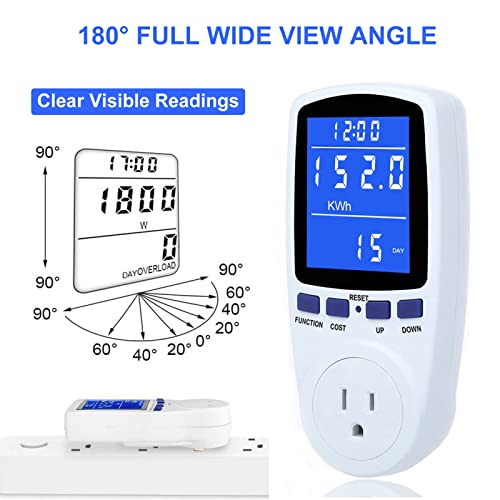
Smart Plug Energy Monitoring
Learn about smart plugs for energy savings.
Pick the Right Path Fast
- If you want: Find the best monitors for your needs. Start with: Home Energy Monitor Buying Guides →
- If you want: Explore options for comprehensive tracking. Start with: Whole House Monitor Options →
- If you want: Learn about smart plugs for energy savings. Start with: Smart Plug Energy Monitoring →
Latest Guides
-
How to Use a Home Power Monitor Effectively
View details →: How to Use a Home Power Monitor EffectivelyUsing a home power monitor can provide valuable insights into your energy consumption, helping you identify areas where you can…
-
Power Consumption Monitor: Insights into Home Energy Usage Trends
View details →: Power Consumption Monitor: Insights into Home Energy Usage TrendsWhen selecting a power consumption monitor, consider the following criteria:
-
Home Electricity Monitor: Insights on Energy Usage Trends
View details →: Home Electricity Monitor: Insights on Energy Usage TrendsTo ensure the longevity and safety of your home electricity monitor, follow these tips:
Our honest take
What we like
- May help support daily energy levels
- Easy to use and integrate
- Natural ingredients many users trust
- Positive feedback from many users
Things to consider
- Results can vary from person to person
- Not a substitute for a balanced diet
How We Choose & Recommend
Short, practical guidance first—then product picks when you are ready.
- We compare features and real-world use cases for Setup & Energy Tracking.
- We scan user feedback for patterns (not one-off opinions).
- We call out trade-offs so you can pick confidently.
Safety and Considerations
This product is designed with safety in mind, but individual reactions can vary. It is always wise to consult a healthcare professional before starting any new supplement, especially if you have existing health conditions.
Consult a relevant qualified professional for personalized advice.
FAQ
How do I choose the right energy monitor?
When selecting an energy monitor, consider your home size and the number of appliances you want to track. Look for features like real-time data access and compatibility with smart home systems. Reading user reviews can also provide insight into the monitor's reliability.
What are the steps to set up my energy monitor?
To set up your energy monitor, start by installing the device according to the manufacturer’s instructions. This usually involves connecting the monitor to your Wi-Fi network and downloading the companion app. Make sure to follow any calibration steps for accurate readings.
How can I track my energy usage effectively?
To track your energy usage effectively, regularly check the data from your monitor. Set weekly or monthly goals based on your usage patterns, and use the app to analyze which appliances consume the most energy. This will help you make informed decisions.
What should I do if my energy monitor isn't working?
If your energy monitor isn’t working, first check the power source and Wi-Fi connection. Ensure the device is properly installed and that any necessary app updates are completed. If problems persist, consult the troubleshooting section of the user manual. A quick win is to set up the basics first, then do a short trial run to confirm everything behaves as expected. If you see a problem, fix it early before you add complexity.
How often should I check my energy data?
It's beneficial to check your energy data at least once a week. This frequency allows you to identify unusual spikes in usage and adjust your habits accordingly. Regular monitoring can lead to significant savings on your power bills. A good habit is to finish with a quick reset/cleanup so the next session starts smoothly. That prevents repeat issues and keeps performance consistent over time.
Can I integrate my energy monitor with smart home systems?
Many modern energy monitors are designed to integrate with smart home systems. Check the product specifications to ensure compatibility with platforms like Google Home or Amazon Alexa, allowing for seamless control and monitoring. If you’re choosing between options, pick the one that matches your use case and constraints (space, noise, speed, skill). The “right” option is the one you’ll actually use safely.
What are common pitfalls to avoid when using an energy monitor?
Common pitfalls include neglecting to check the data regularly and not placing the monitor in an optimal location. Additionally, failing to understand the settings and features can lead to missed opportunities for energy savings. For best results, focus on the one or two factors that change the outcome most (environment, settings, fit, or technique). Small adjustments here beat big changes elsewhere.
⭐ Our Top 3 Home Energy Monitors
Emporia Vue 3 Energy Monitor
This home energy monitor installs in the circuit panel of most homes using clamp-on sensors. It supports various electrical systems, including single phase and 3-phase configurations.
Refoss Smart Home Energy Monitor
This energy monitor features a native open API and web UI for real-time electricity usage tracking. It is compatible with Home Assistant and MQTT, and supports solar net metering.
Smart Home Energy Monitor
This energy monitor features 16 circuit level sensors that track real-time power usage and electricity costs. It is compatible with Home Assistant and includes an app for monitoring history, making it suitable for rental homes and shared apartments.
Discover reliable monitors to help reduce your energy bills and track usage effectively.