Home Energy Monitor Guide
Discover Smart Ways to Monitor Your Energy Use
This guide helps you choose the right plug-in meters and smart plugs. Start tracking your energy usage easily and effectively.
- Updated for 2026
- Independent, hands-on research
- Reader-first reviews
- Transparent affiliate disclosure
Last updated:
Plug-in meters and smart plugs are essential tools for homeowners looking to save on electricity bills. These devices allow you to monitor energy consumption at the appliance level, providing insights to make informed decisions about usage. With the right information, you can reduce waste and enhance energy efficiency in your home.
In this guide, you’ll find everything you need to know about selecting and using these products effectively.
What you’ll get here
- Energy monitoring tips
- Smart plug features
- Best product recommendations
How to start (simple plan)
Quick plan for Plug-In Meters & Smart Plugs: pick the right parts, confirm compatibility, then install and test safely.
Start by identifying which appliances consume the most energy. Plug-in meters can track usage for individual devices, while smart plugs offer added control. Avoid common mistakes like ignoring standby power or not reviewing usage data regularly. Set a schedule for when to use high-energy devices to maximize savings.
Remember to consider compatibility with your home’s smart systems for seamless integration.
⚡ Quick Picks
Three strong options to start with. Pick one that matches your goal, then jump to the guides below.
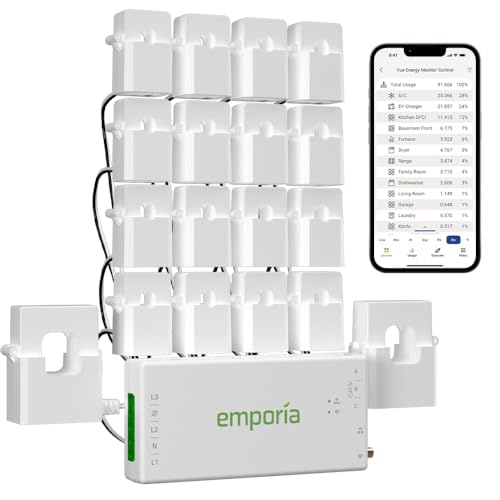
Emporia Vue 3 Energy Monitor
This home energy monitor installs in the circuit panel of most homes using clamp-on sensors. It supports various electrical systems, including single phase and 3-phase configurations.

Refoss Smart Home Energy Monitor
This energy monitor features a native open API and web UI for real-time electricity usage tracking. It is compatible with Home Assistant and MQTT, and supports solar net metering.

Smart Home Energy Monitor
This energy monitor features 16 circuit level sensors that track real-time power usage and electricity costs. It is compatible with Home Assistant and includes an app for monitoring history, making it suitable for rental homes and shared apartments.
Discover reliable monitors to help reduce your energy bills and track usage effectively.
Choose Your Next Step
Smart Plug Energy Monitoring Guide
Learn how to use smart plugs effectively.
Plug-In Power Meter Buying Guide
Find the best plug-in meters for your needs.
Pick the Right Path Fast
- If you want: Learn how to use smart plugs effectively. Start with: Smart Plug Energy Monitoring Guide →
- If you want: Find the best plug-in meters for your needs. Start with: Plug-In Power Meter Buying Guide →
Latest Guides
-
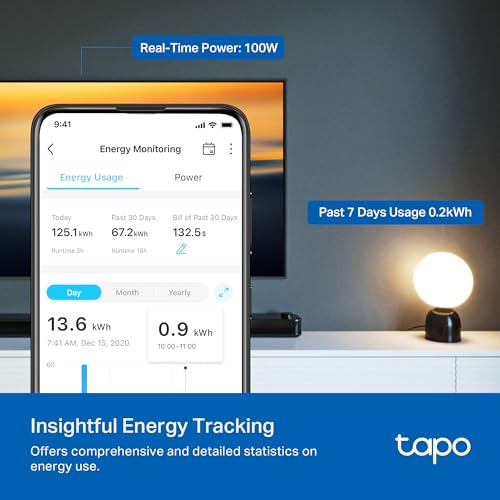
Appliance Energy Monitor: Insights on Usage and Efficiency Trends
View details →: Appliance Energy Monitor: Insights on Usage and Efficiency TrendsWhen selecting an appliance energy monitor, consider the following criteria:
-
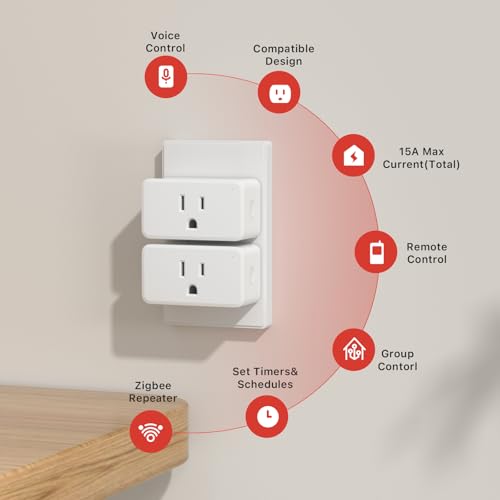
Zigbee Energy Monitor Plug: Insights into Smart Energy Management
View details →: Zigbee Energy Monitor Plug: Insights into Smart Energy ManagementTo ensure the longevity and safety of your Zigbee energy monitor plug, follow these guidelines:
-
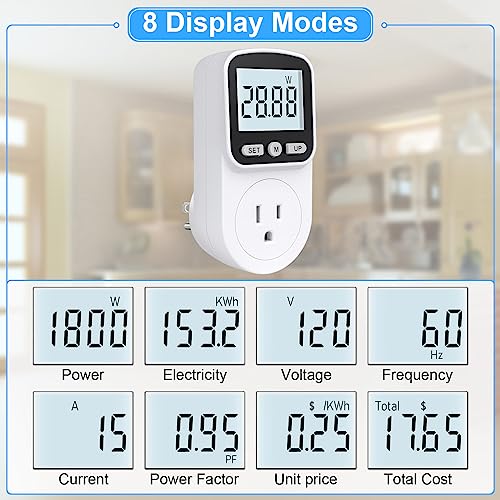
Appliance Power Meter: Understanding Energy Usage and Efficiency
View details →: Appliance Power Meter: Understanding Energy Usage and EfficiencyWhen selecting an appliance power meter, consider the following criteria to enhance your user experience:
-
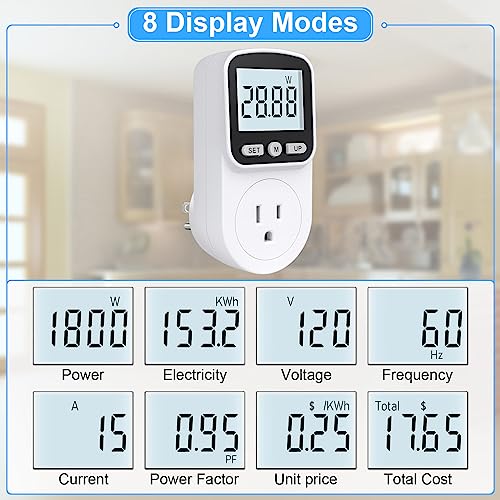
Outlet Power Meter: Insights on Energy Monitoring Devices
View details →: Outlet Power Meter: Insights on Energy Monitoring DevicesOutlet power meters are devices designed to monitor the energy consumption of electrical appliances. They provide insights into power usage,…
-
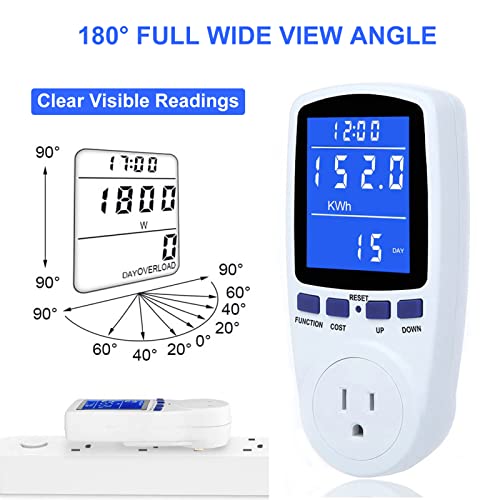
Kill a Watt Meter: Understanding Energy Consumption Monitoring
View details →: Kill a Watt Meter: Understanding Energy Consumption MonitoringA Kill a Watt meter is a device designed to monitor the energy consumption of electrical appliances. By providing insights…
Our honest take
What we like
- May help support overall energy levels.
- Easy to add to your daily routine.
- Many users appreciate the natural ingredients.
- User-friendly packaging for convenience.
Things to consider
- Results may vary for each individual.
- Not a substitute for a balanced diet.
How We Choose & Recommend
Short, practical guidance first—then product picks when you are ready.
- We compare features and real-world use cases for Plug-In Meters & Smart Plugs.
- We scan user feedback for patterns (not one-off opinions).
- We call out trade-offs so you can pick confidently.
Safety and considerations
This product is designed for general wellness support. Always consult with a qualified professional before starting any new supplement, especially if you have underlying health conditions or are taking medications.
Consult a healthcare provider for personalized advice.
FAQ
What is a plug-in meter and how does it work?
A plug-in meter measures the energy consumption of any appliance plugged into it. Simply connect the meter between your wall outlet and the device. It provides real-time data on energy usage, helping you identify high-consumption appliances. If you’re not sure what to do next, compare your situation to a real example, then follow the closest match. This reduces mistakes and saves time.
Can smart plugs help me save on energy costs?
Yes, smart plugs can help reduce energy bills by allowing you to control devices remotely. You can set schedules for when devices are active, minimizing energy waste during off-hours. If you’re choosing between options, pick the one that matches your use case and constraints (space, noise, speed, skill). The “right” option is the one you’ll actually use safely.
What features should I look for in a smart plug?
When choosing a smart plug, look for features like energy monitoring, scheduling capabilities, and compatibility with your smart home system. These features enhance control and provide insights into energy usage. When you hit friction, pause and do a fast diagnosis: what changed, what stayed the same, and what the symptom suggests. Then apply the smallest fix that addresses the symptom.
How can I monitor standby power with plug-in meters?
Plug-in meters can track standby power by measuring energy use when devices are turned off but still plugged in. This helps you identify devices that waste energy and encourages unplugging when not in use. If you’re choosing between options, pick the one that matches your use case and constraints (space, noise, speed, skill). The “right” option is the one you’ll actually use safely.
What are some common mistakes when using plug-in meters?
Common mistakes include ignoring the data provided by the meter or failing to monitor usage regularly. Additionally, not considering the compatibility of the meter with your devices can lead to ineffective monitoring. For best results, focus on the one or two factors that change the outcome most (environment, settings, fit, or technique). Small adjustments here beat big changes elsewhere.
How often should I check my energy usage data?
It's advisable to check your energy usage data at least once a month. Regular reviews help you spot trends and adjust your habits for better energy efficiency. A good habit is to finish with a quick reset/cleanup so the next session starts smoothly. That prevents repeat issues and keeps performance consistent over time.
Can I integrate smart plugs with my home assistant?
Yes, many smart plugs are compatible with home assistant systems. This integration allows for voice control and automation, making it easier to manage energy use across multiple devices. For best results, focus on the one or two factors that change the outcome most (environment, settings, fit, or technique). Small adjustments here beat big changes elsewhere.
⭐ Our Top 3 Home Energy Monitors
Emporia Vue 3 Energy Monitor
This home energy monitor installs in the circuit panel of most homes using clamp-on sensors. It supports various electrical systems, including single phase and 3-phase configurations.
Refoss Smart Home Energy Monitor
This energy monitor features a native open API and web UI for real-time electricity usage tracking. It is compatible with Home Assistant and MQTT, and supports solar net metering.
Smart Home Energy Monitor
This energy monitor features 16 circuit level sensors that track real-time power usage and electricity costs. It is compatible with Home Assistant and includes an app for monitoring history, making it suitable for rental homes and shared apartments.
Discover reliable monitors to help reduce your energy bills and track usage effectively.