Monitor Your Home Energy with Ease
Discover the benefits of Home Assistant energy tracking.
Last updated:
Quick answer
Home Assistant energy monitoring systems offer homeowners a smart way to track their electricity usage and optimize energy consumption.
- Updated for 2026
- Independent, hands-on research
- Reader-first reviews
- Transparent affiliate disclosure
Home Assistant energy monitoring systems offer homeowners a smart way to track their electricity usage and optimize energy consumption. By integrating these systems into your home, you can gain valuable insights into which appliances consume the most power, ultimately helping you reduce your energy bills. This sub-hub provides comprehensive guides, reviews, and tips to help you choose the best monitoring solution for your needs.
Key highlights
- Easy energy tracking
- Identify power-hungry devices
- Save on electricity bills
How to choose (and common mistakes)
When selecting a Home Assistant energy monitor, consider compatibility with your existing smart home devices. Ensure that the monitor can integrate seamlessly with your Home Assistant setup for real-time data tracking. Look for features like real-time energy usage, historical data, and alerts for unusual consumption. Common mistakes include underestimating the importance of Wi-Fi connectivity and overlooking user reviews. Always check the monitor's specifications to ensure it meets your requirements.
⚡ Quick Picks
Three strong options to start with. Pick one that matches your goal, then jump to the guides below.
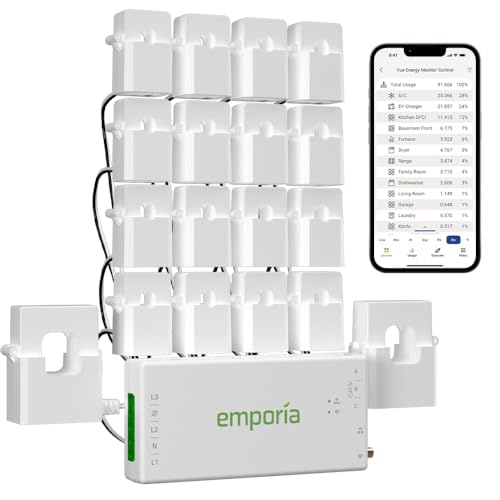
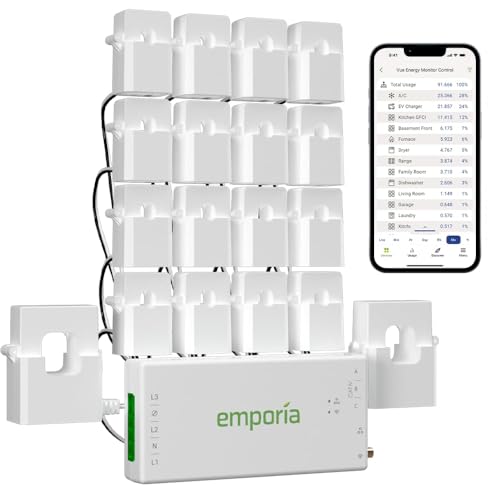
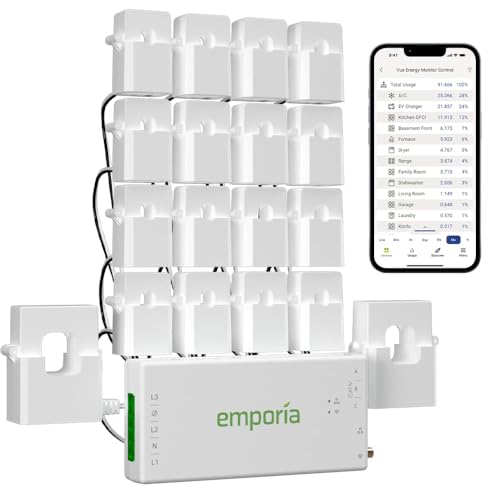
Emporia Vue 3 Energy Monitor
This home energy monitor installs in the circuit panel of most homes using clamp-on sensors. It supports various electrical systems, including single phase and 3-phase configurations.

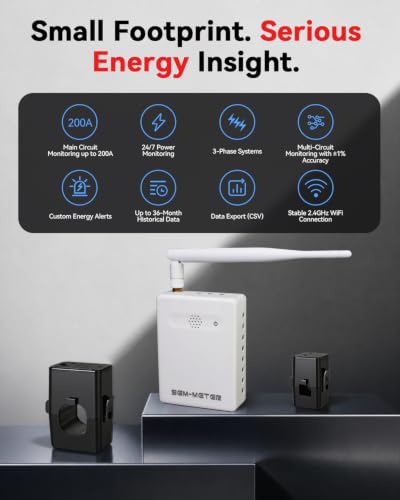
Refoss Smart Home Energy Monitor
This energy monitor features a native open API and web UI for real-time electricity usage tracking. It is compatible with Home Assistant and MQTT, and supports solar net metering.

Smart Home Energy Monitor
This energy monitor features 16 circuit level sensors that track real-time power usage and electricity costs. It is compatible with Home Assistant and includes an app for monitoring history, making it suitable for rental homes and shared apartments.
Discover reliable monitors to help reduce your energy bills and track usage effectively.
Related Topics
Solar Energy Monitoring
Latest Guides
-
Wifi Energy Monitor: Insights into Smart Energy Management
View details →: Wifi Energy Monitor: Insights into Smart Energy ManagementWifi energy monitors are devices that enable homeowners to track their electricity usage in real-time. These monitors can provide insights…
-
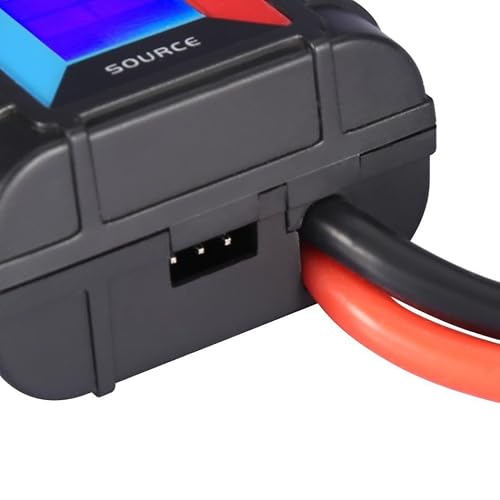
Solar Energy Monitor: Insights into Home Energy Management
View details →: Solar Energy Monitor: Insights into Home Energy ManagementWhen choosing a solar energy monitor, consider the following criteria:
-
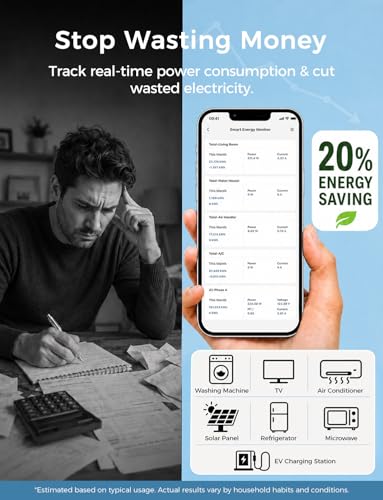
Home Assistant Energy Monitor: Insights on Smart Energy Management
View details →: Home Assistant Energy Monitor: Insights on Smart Energy ManagementHome assistant energy monitors are devices designed to track and manage energy consumption in residential settings. They provide users with…
-
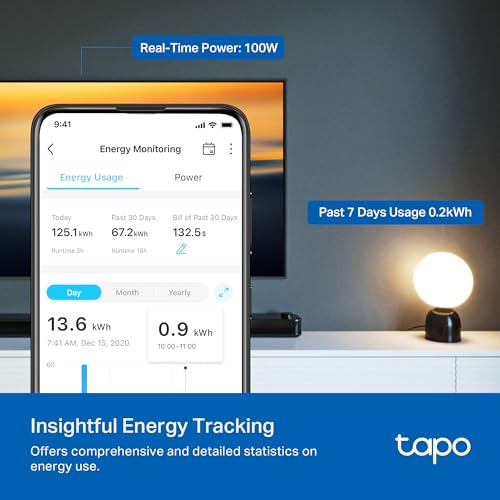
Appliance Energy Monitor: Insights on Usage and Efficiency Trends
View details →: Appliance Energy Monitor: Insights on Usage and Efficiency TrendsWhen selecting an appliance energy monitor, consider the following criteria:
-
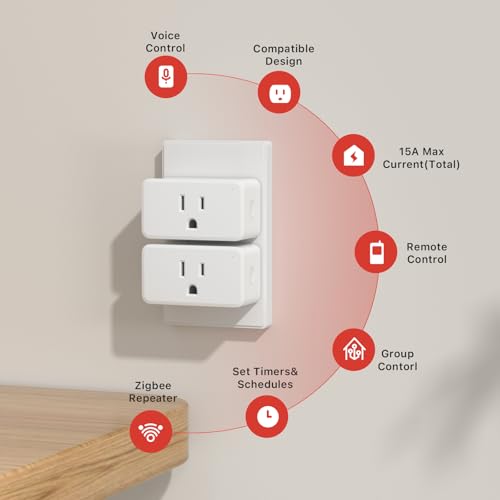
Zigbee Energy Monitor Plug: Insights into Smart Energy Management
View details →: Zigbee Energy Monitor Plug: Insights into Smart Energy ManagementTo ensure the longevity and safety of your Zigbee energy monitor plug, follow these guidelines:
-
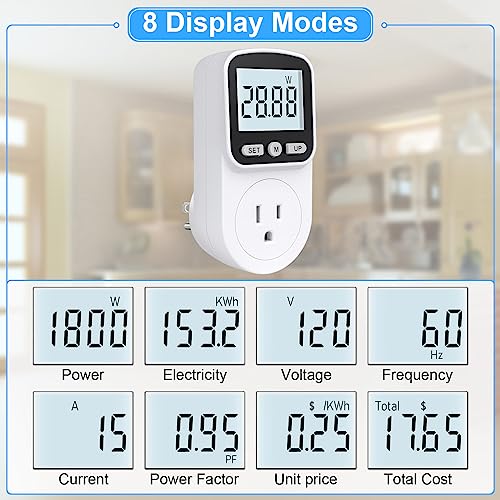
Appliance Power Meter: Understanding Energy Usage and Efficiency
View details →: Appliance Power Meter: Understanding Energy Usage and EfficiencyWhen selecting an appliance power meter, consider the following criteria to enhance your user experience:
-
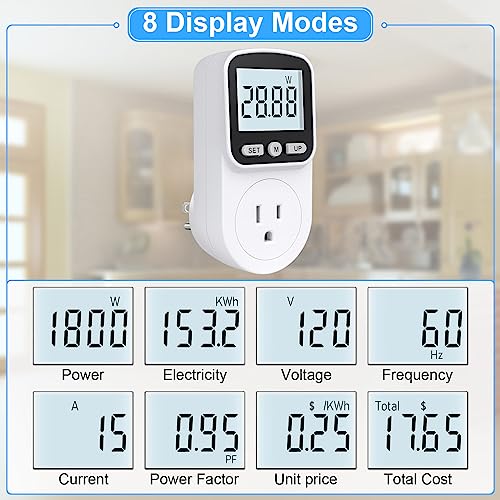
Outlet Power Meter: Insights on Energy Monitoring Devices
View details →: Outlet Power Meter: Insights on Energy Monitoring DevicesOutlet power meters are devices designed to monitor the energy consumption of electrical appliances. They provide insights into power usage,…
-
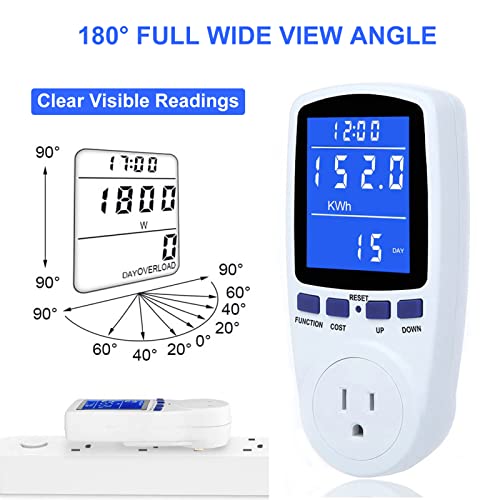
Kill a Watt Meter: Understanding Energy Consumption Monitoring
View details →: Kill a Watt Meter: Understanding Energy Consumption MonitoringA Kill a Watt meter is a device designed to monitor the energy consumption of electrical appliances. By providing insights…
-
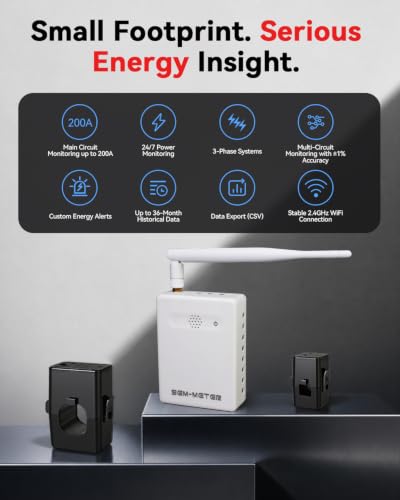
Breaker Panel Energy Monitor: Insights on Smart Home Integration
View details →: Breaker Panel Energy Monitor: Insights on Smart Home IntegrationBreaker panel energy monitors are devices that allow homeowners to track and manage their electricity usage in real-time. These monitors…
How We Choose & Recommend
Short, practical guidance first—then product picks when you are ready.
- We compare features and real-world use cases for Home Assistant Energy Monitoring.
- We scan user feedback for patterns (not one-off opinions).
- We call out trade-offs so you can pick confidently.
FAQ
What is Home Assistant energy monitoring?
Home Assistant energy monitoring involves using devices that track your home's electricity usage in real-time. These monitors can provide insights into how much energy each appliance consumes, helping you identify areas where you can save. By utilizing this data, you can make informed decisions about your energy consumption and lower your power bills. Consider starting with a monitor that integrates easily with your existing smart home devices.
How do I install a Home Assistant energy monitor?
Installing a Home Assistant energy monitor typically involves connecting the device to your home's electrical panel or plugging it into an outlet. Follow the manufacturer's instructions carefully for setup. Most monitors will require you to connect to your Wi-Fi network and link to the Home Assistant platform. Ensure that you have a stable internet connection for accurate data tracking. After installation, check the device settings to customize your monitoring preferences.
Can I track multiple devices with a single monitor?
Many Home Assistant energy monitors can track multiple devices, especially if they're whole-house monitors. These devices measure total energy usage and can often provide insights into individual appliance consumption through smart plugs or additional sensors. However, if you want detailed data on each device, consider investing in multiple smart plugs. This allows you to monitor specific appliances separately for better energy management.
What features should I look for in a monitor?
When selecting a Home Assistant energy monitor, look for features such as real-time energy tracking, historical usage data, and alerts for high consumption. Some monitors also offer integration with other smart home systems, allowing for automated responses to energy usage patterns. Additionally, user-friendly apps and dashboards can enhance your monitoring experience. Make sure to choose a model that fits your specific needs and energy goals.
How can I save energy using these monitors?
You can save energy by using insights from your Home Assistant energy monitor to identify which devices consume the most power. Once you know this, you can adjust usage patterns, schedule high-energy appliances during off-peak hours, or invest in more energy-efficient devices. Regularly reviewing your energy data can help you stay informed and proactive about your consumption habits. Set a reminder to check your usage weekly for ongoing savings.
Related in this hub
⭐ Our Top 3 Home Energy Monitors
Emporia Vue 3 Energy Monitor
This home energy monitor installs in the circuit panel of most homes using clamp-on sensors. It supports various electrical systems, including single phase and 3-phase configurations.
Refoss Smart Home Energy Monitor
This energy monitor features a native open API and web UI for real-time electricity usage tracking. It is compatible with Home Assistant and MQTT, and supports solar net metering.
Smart Home Energy Monitor
This energy monitor features 16 circuit level sensors that track real-time power usage and electricity costs. It is compatible with Home Assistant and includes an app for monitoring history, making it suitable for rental homes and shared apartments.
Discover reliable monitors to help reduce your energy bills and track usage effectively.